SATURDAY HOURS
Now Offering Convenient Saturday Colonoscopy Appointments
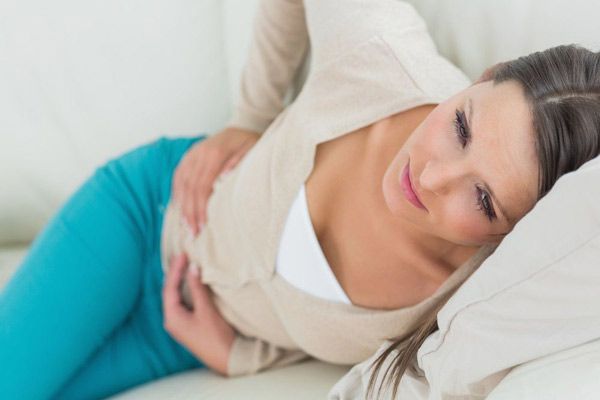
Dealing with digestion issues such as diverticulitis can make day-to-day life incredibly difficult.
The Colon & Rectal Surgical Specialists of New York provide specialized treatment to relieve your symptoms and improve your quality of life.
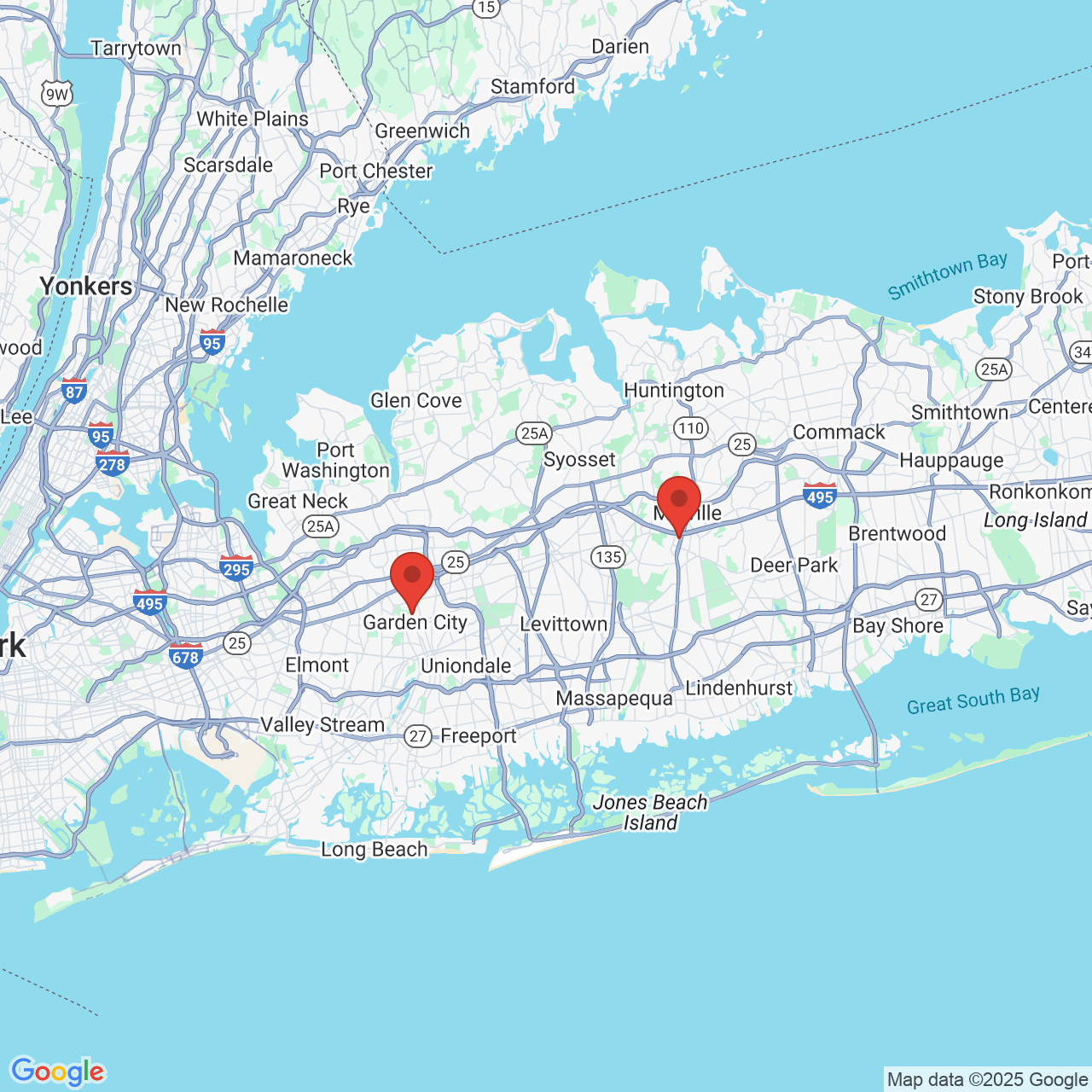
Find out why patients throughout Long Island, Garden City, and East Setauket, NY, trust us with their diverticulitis treatment…
Dealing with digestion issues such as diverticulitis can make day-to-day life incredibly difficult.
The Colon & Rectal Surgical Specialists of New York provide specialized treatment to relieve your symptoms and improve your quality of life.
Find out why patients throughout Long Island, Garden City, and East Setauket, NY, trust us with their diverticulitis treatment…
Warning: Undefined variable $style in /srv/users/crssny/apps/crssny/public/wp-content/themes/maxcanvas_child/templates/content/flexible_content/content_area.php on line 23
>
Understanding Diverticular Disease
Diverticulosis is characterized by bulging pouches that form in the walls of the lower intestine. It is common for patients 40 and older to experience this condition. The bulging pouches are known as diverticula and don’t cause any symptoms.
If the diverticula become inflamed or infected, the condition is known as diverticulitis. Diverticulitis is a common digestive issue in which the affected diverticula cause a range of painful symptoms. Our offices throughout Queens and Long Island, NY, treat both diverticulosis and diverticulitis. We can help prevent symptoms from occurring and manage existing symptoms with a range of treatments for mild to severe cases.
Warning: Undefined variable $style in /srv/users/crssny/apps/crssny/public/wp-content/themes/maxcanvas_child/templates/content/flexible_content/content_with_left_icons.php on line 23
>
Why Choose Us?
Conservative Treatment
Our practice takes a conservative approach to diverticular disease and views surgery as a last resort. We take the time to fully assess your diverticulitis case to identify any areas that can be improved by medication, dietary changes, or lifestyle changes.
Compassionate Care
We understand that dealing with diverticulitis is tiring and frustrating. Our offices are designed with your comfort and privacy in mind. Each of our rooms are soundproof and designed to help you feel relaxed and at ease during your consultations or when receiving treatment.
Warning: Undefined variable $style in /srv/users/crssny/apps/crssny/public/wp-content/themes/maxcanvas_child/templates/content/flexible_content/video_content.php on line 23
>
Dr. Bibi Soleh Explains Diverticulitis
In this video, Dr. Sarah Bibi Soleh explains how some patients develop diverticulitis. Fortunately, a vast majority of patients with diverticulitis do not need surgery. If surgery is the right choice for your case, you should trust your care to the experts at Colon & Rectal Surgical Specialists of New York.
See more videos
Warning: Undefined variable $style in /srv/users/crssny/apps/crssny/public/wp-content/themes/maxcanvas_child/templates/content/flexible_content/content_area.php on line 23
>
Exploring the Causes of Diverticular Disease
While the cause of diverticulosis isn’t fully known, it is believed that a low-fiber diet or sedentary lifestyle can contribute to diverticula forming in the large intestine. A low-fiber diet leads to constipation, which causes straining when making a bowel movement. Excessive bowel straining can lead to pressure in the large intestines and cause the weakened walls of the colon to form diverticula. The pouches can also become inflamed or infected when small pieces of waste get trapped inside, leading to diverticulitis infection.
Warning: Undefined variable $style in /srv/users/crssny/apps/crssny/public/wp-content/themes/maxcanvas_child/templates/content/flexible_content/half_content_and_half_image.php on line 23
>
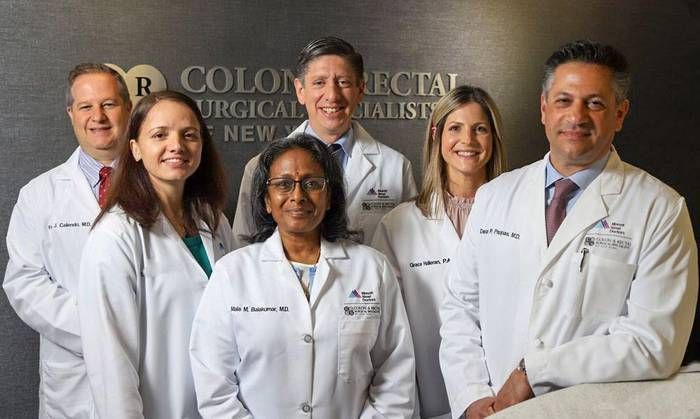
Committed to Providing Expert Care
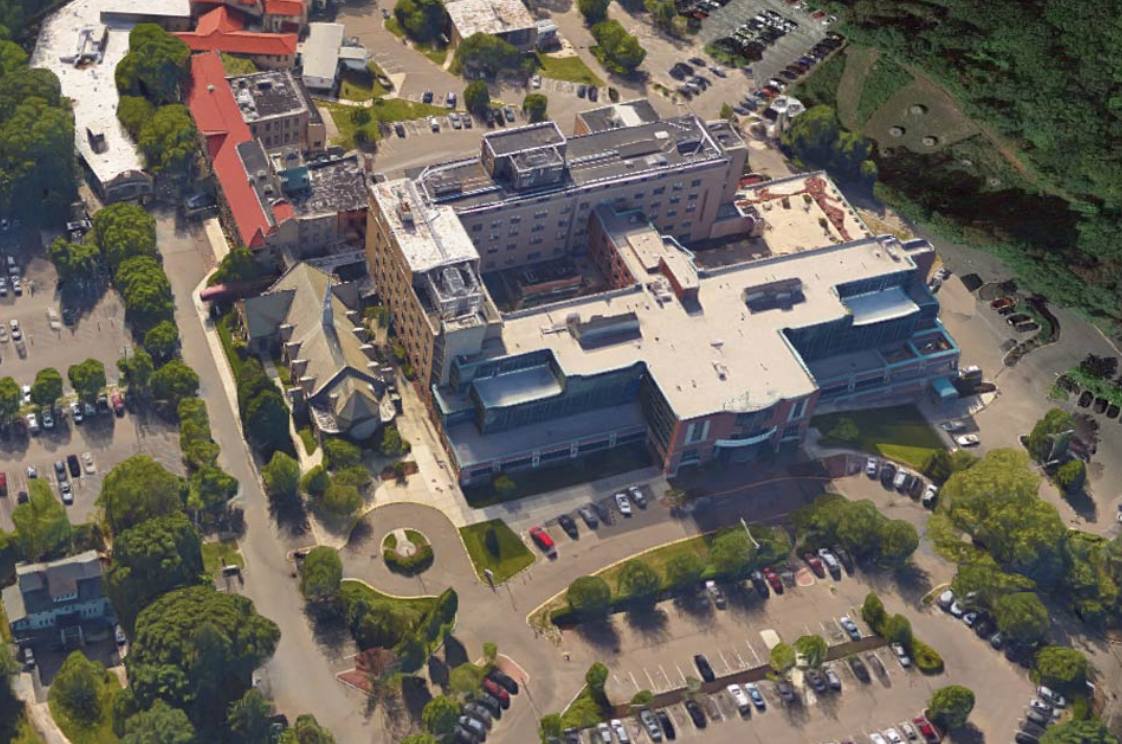 We serve Garden City, East Setauket, and communities throughout the area.
Warning: Undefined variable $style in /srv/users/crssny/apps/crssny/public/wp-content/themes/maxcanvas_child/templates/content/flexible_content/list_marker.php on line 23
>
Symptoms of Diverticular Disease

Loss of appetite
Abdominal pain on lower left side
Bloating or gas
Changes in bowel patterns
Nausea and vomiting
Constipation and, less commonly, diarrhea
Warning: Undefined variable $style in /srv/users/crssny/apps/crssny/public/wp-content/themes/maxcanvas_child/templates/content/flexible_content/content_area.php on line 23
>
"Words Can't Express My Gratitude."
“Words can’t express my gratitude for Dr. Balakumar. She was able to identify the cause of my pain that I have had for several months that another colon surgeon did not identify. Dr. Balakumar listens and takes her time with the patient and gives a thorough exam. She made me feel as comfortable as possible. She also took the time to explain everything to me after. Also, all of the staff are extremely warm and helpful. I highly recommend Dr. Balakumar!”
-A Satisfied Patient
Warning: Undefined variable $style in /srv/users/crssny/apps/crssny/public/wp-content/themes/maxcanvas_child/templates/content/flexible_content/half_content_and_half_image.php on line 23
>
The Difference Between Diverticulitis and Diverticulosis
Here at the Colon & Rectal Surgical Specialists of New York, we believe in the importance of patient education. We understand that diverticular disease can be confusing, and we do our part to ensure you understand your symptoms and why they are occurring. Diverticulosis is often confused with diverticulitis. Diverticulosis is the presence of small pockets that develop from the colon wall. These pockets most often do not cause symptoms however, abdominal pain and cramping can be associated with diverticulosis. Diverticulitis is when the pockets become inflamed or infected which often causes abdominal pain, change in bowel habits, fever and other uncomfortable symptoms. It is imperative you see a specialist when experiencing any of these symptoms to get a proper diagnosis and appropriate treatment.
Warning: Undefined variable $style in /srv/users/crssny/apps/crssny/public/wp-content/themes/maxcanvas_child/templates/content/flexible_content/content_area.php on line 23
>
Providing Accurate Diagnoses Using A Range of Techniques
Diverticulitis affects everyone differently. Because the symptoms can look similar to other digestive disorders, it’s important to rule out other conditions. Our team uses a combination of exams, x-rays, blood tests, urinalysis, and imaging techniques to accurately diagnose your symptoms.
Having one or two diverticulitis occurrences doesn’t mean that you need surgery. We examine each case on an individual basis because everyone experiences their symptoms in different ways. After a thorough evaluation is completed, we provide you with all the information needed to decide which treatment route to take.
We find that most diverticulitis cases can be treated without surgery. If we determine surgery is your best option, we use only the best techniques and equipment to make your procedure as safe and effective as possible.
Warning: Undefined variable $style in /srv/users/crssny/apps/crssny/public/wp-content/themes/maxcanvas_child/templates/content/flexible_content/content_area.php on line 23
>
A Satisfied Patient REFLECTS ON OUR QUALITY OF CARE
“Dr. Pappas was so nice!! explained my condition in detail the staff was so helpful and the office was beautiful.”
-Lue F.
Warning: Undefined variable $style in /srv/users/crssny/apps/crssny/public/wp-content/themes/maxcanvas_child/templates/content/flexible_content/alternating_images.php on line 23
>
Finding a Treatment that Works For You
After diagnosing diverticular disease, we create a customized treatment plan based on your symptoms. Treatment of diverticulitis depends on the severity of your case and what we discover during your examination.
Mild Cases
Mild cases of diverticulitis can be treated at home. We may recommend a liquid diet to help soothe your intestines, and antibiotics to fight the infection. A liquid diet consisting of water, broth, juice, or ice pops can be beneficial in improving symptoms. A high-fiber diet is also helpful in improving bowel movements.
Severe Cases
Diverticulitis cases that have progressed may require colon resection surgery to remove the damaged or infected diverticulum tissue. Only a small number of patients need surgery, and we do everything we can to explore alternative methods before recommending an invasive solution.
Warning: Undefined variable $style in /srv/users/crssny/apps/crssny/public/wp-content/themes/maxcanvas_child/templates/content/flexible_content/content_area.php on line 23
>
Abscesses: A POTENTIAL DIVERTICULITIS COMPLICATION
In some cases of diverticulitis, an abscess forms in the affected pocket. An abscess can cause a host of painful symptoms such as fever, vomiting, nausea, and abdominal pain. Our New York offices can drain an abscess without surgery by accessing the area with a needle or placing a temporary plastic drain into the abdomen.
Warning: Undefined variable $style in /srv/users/crssny/apps/crssny/public/wp-content/themes/maxcanvas_child/templates/content/flexible_content/half_content_and_half_image.php on line 23
>
Utilizing Robotic Surgery FOR OUTSTANDING RESULTS
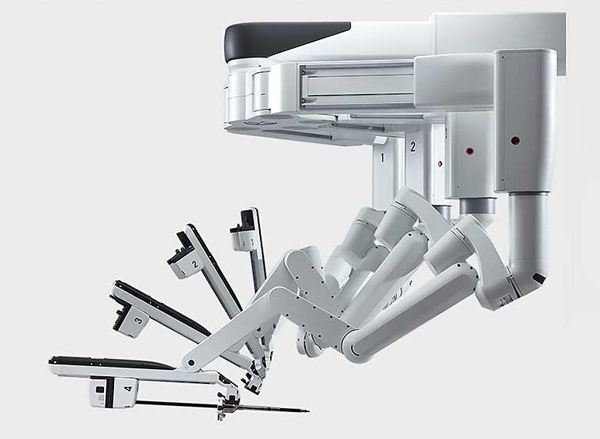
Colon & Rectal Surgical Specialists of New York provides robotic-assisted surgery to diverticulitis patients. This method is minimally invasive and incredibly precise. Our doctors can use this method to shorten recovery time, minimize complications, and help patients get back to their normal lives more quickly. The da Vinci Xi system allows our surgeons to skillfully remove targeted tissue without compromising any healthy tissue. Incisions are less than two inches long, hospital stays typically only two to three days, and post-operative discomfort is dramatically reduced.
Warning: Undefined variable $style in /srv/users/crssny/apps/crssny/public/wp-content/themes/maxcanvas_child/templates/content/flexible_content/three_buckets.php on line 27
>
Regular exercise promotes healthy bowel movements and reduces strain in the colon, reducing the chance of a flare-up and improving your overall health.

A high-fiber diet helps soften waste and pass it through the body. Adopting a diet rich in vegetables and whole grains can be a highly effective means of preventive care.

You should drink plenty of liquids to allow the fiber to absorb and prevent constipation from occurring, keeping your bowels clear and healthy.